Monitoring
Becoming an Election Observer: Safeguarding Transparency
2024-12-0410 min Read time280 Reads
Election observation isn't just for foreigners; local citizens can play a vital role in ensuring a free and fair election. Learn the process.
THE EYES OF THE CROWD
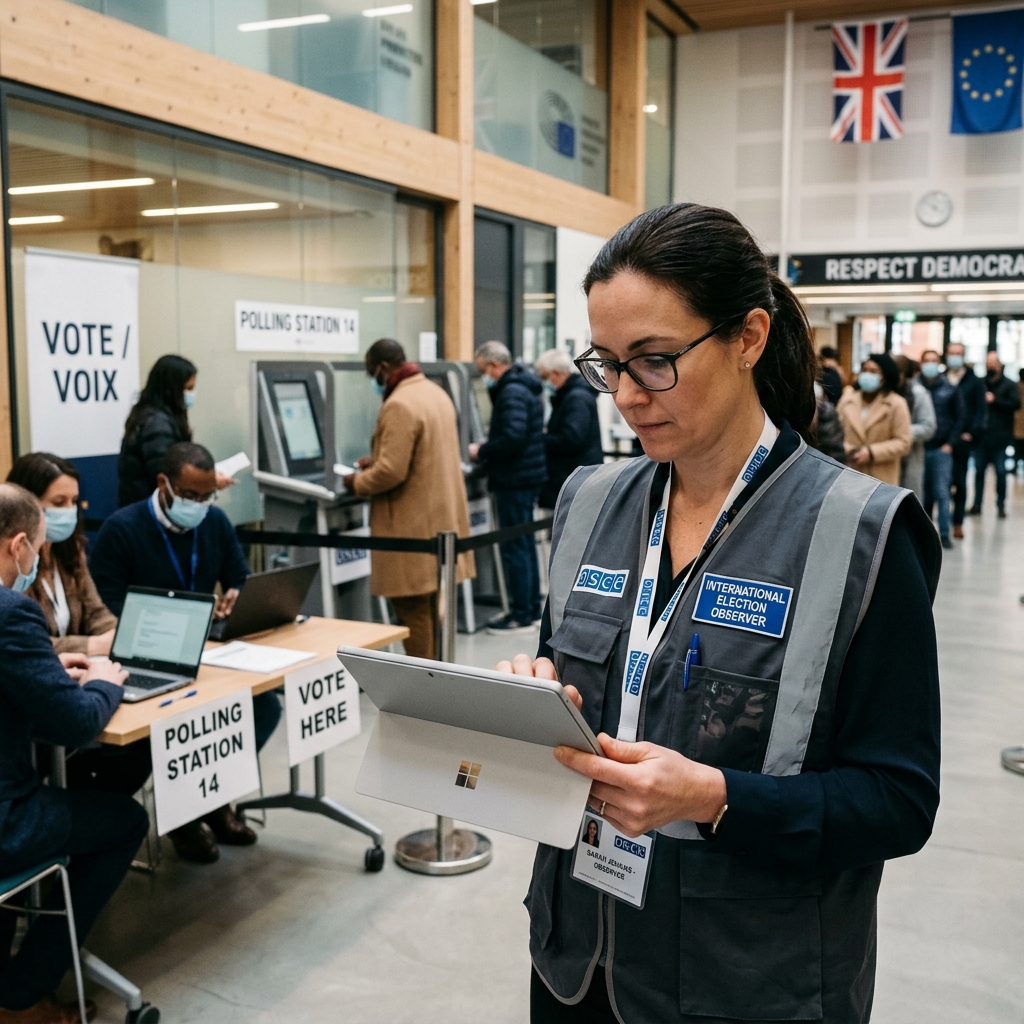
Transparency is the ultimate deterrent against electoral malpractice. Election observation is the process of monitoring elections to ensure they are conducted freely, fairly, and according to the law. Observers do not run the election; they watch, record, and report. Their final reports are often used by courts to determine if an election was truly the 'will of the people' or if errors were significant enough to warrant a re-run.
WHO CAN OBSERVE?
1. DOMESTIC OBSERVERS: These are local organizations like the Law Society of Kenya (LSK), the Kenya National Commission on Human Rights (KNCHR), and various religious bodies like the NCCK or the Catholic Church.
2. INTERNATIONAL OBSERVERS: Groups like the African Union, the European Union, and the Carter Center. They provide an outside perspective and historical comparison.
3. PARTY AGENTS: While not tecnically 'neutral observers', party agents are critical. They represent their specific candidate and must sign off on the results at the polling station level.
THE ACCREDITATION PROCESS
You cannot simply walk into a polling station and claim to be an observer. You must be accredited by the IEBC:
- THE APPLICATION: Organizations must apply to the IEBC months before the election, providing a list of their proposed observers.
- THE TRAINING: Accredited observers must undergo training on the specific laws of the election (e.g., the secrecy of the ballot and the rules for assisting elderly voters).
- THE BADGE: Once approved, you receive an official IEBC badge that grants you access to the 'Restricted Zone' of the polling station.
THE OBSERVER'S CODE OF CONDUCT
Observers must be 'ghosts' in the system:
- NEUTRALITY: You cannot wear party colors or show any bias.
- NON-INTERFERENCE: You cannot touch the ballot boxes or give orders to IEBC staff. If you see an error, you must record it and report it to the Presiding Officer.
- IMPARTIALITY: Your report must be based on facts, not rumors. Did the station open on time? Was the KIEMS kit working? Was there any voter intimidation outside?
WHY VOLUNTEER AS AN OBSERVER?
By becoming an observer, you are actively participating in the defense of democracy. Your presence gives other voters confidence that the process is being watched. If you are a member of a local civil society group, ask about their observation plans for 2027 and get involved in the training early.