Electoral Process
The Independent Electoral and Boundaries Commission: A Constitutional Mandate
2024-12-0612 min Read time440 Reads
Understanding the roles, challenges, and independence of the IEBC in managing Kenya's complex electoral cycles.
THE PILLAR OF CONSTITUTIONAL DEMOCRACY
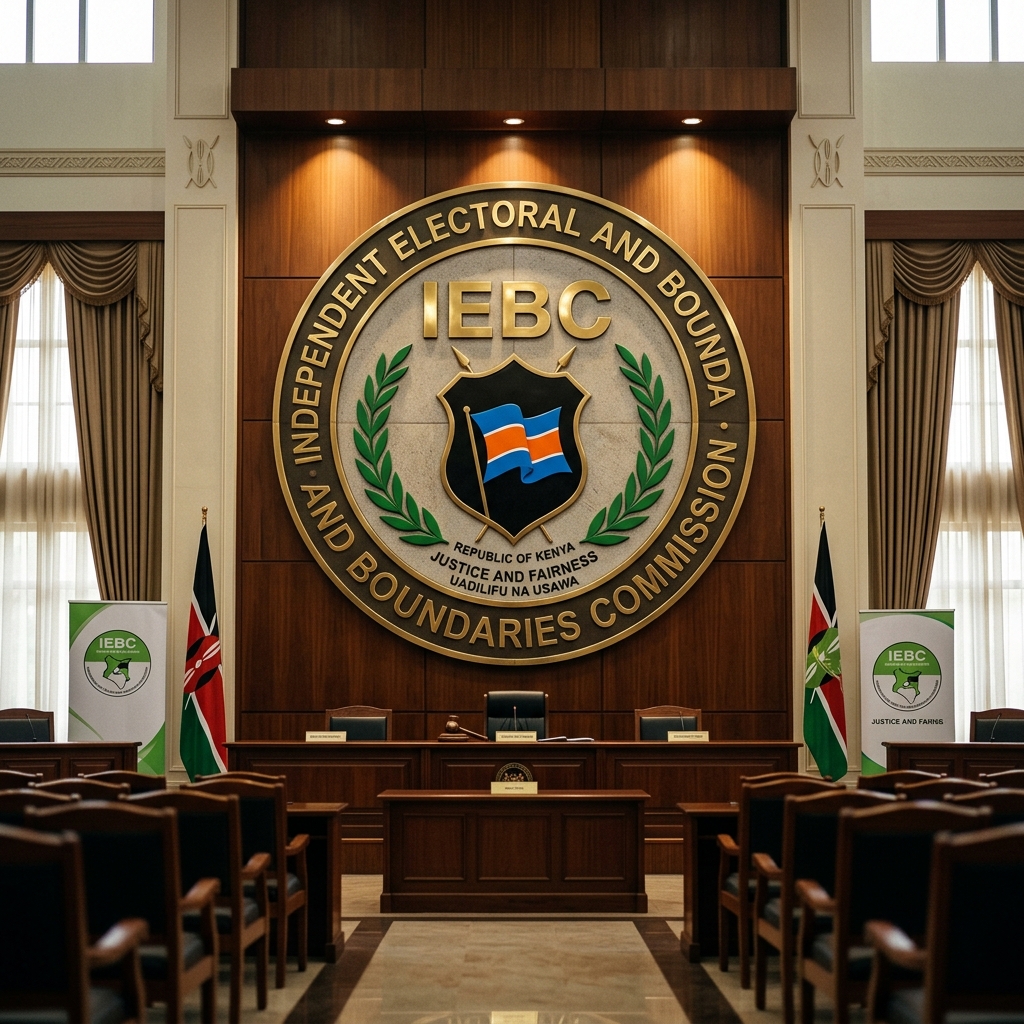
The Independent Electoral and Boundaries Commission (IEBC) is established under Article 88 of the Constitution of Kenya 2010. Its creation was a direct response to the post-election violence of 2007/2008, designed to replace the previous electoral body with an institution that is truly independent of the executive branch. Its commissioners are vetted by Parliament and its funding is protected to ensure it remains impartial.
THE MULTI-FACETED ROLES OF THE IEBC
Most citizens only see the IEBC during election week, but its work is a five-year cycle of preparation:
1. VOTER REGISTRATION: Managing the 'Register of Voters' is a gargantuan task involving over 22 million records. They must ensure 'One person, One vote' by using biometric technology to prevent double registration.
2. DELIMITATION OF BOUNDARIES: Every 8 to 12 years, the IEBC must review the borders of all 290 constituencies and 1,450 wards. This is a highly political process that ensures that each representative has roughly the same number of constituents, according to population shifts revealed in the census.
3. REGULATING NOMINATIONS: The IEBC ensures that political parties choose their candidates fairly and according to their own party constitutions.
4. VOTER EDUCATION: They are mandated to inform citizens how to cast their ballots, which is critical in a country with high voter turnout but sometimes significant numbers of 'spoilt' (wrongly marked) ballots.
THE CHALLENGES OF THE KIEMS SYSTEM
The Kenya Integrated Election Management System (KIEMS) is the suite of technology used for voter identification and result transmission. The IEBC's challenge is to ensure that these 'magic boxes' (the biometric tablets) work even in the most remote parts of the country where there is no 4G signal or reliable electricity. Ensuring the cyber-security of the system to prevent hacking of the results server is perhaps the commission's most technical and critical priority.
HOW CITIZENS HOLD THE IEBC ACCOUNTABLE
Transparency is the only cure for mistrust. The IEBC is required by law to:
- PUBLISH DATA: All results from individual polling stations (Form 34A) must be uploaded to a public portal in real-time.
- ENGAGE STAKEHOLDERS: Regular meetings with political parties and civil society.
- AUDIT THE REGISTER: Allowing independent third-party firms to audit the voter roll for purity.
By understanding the internal workings of the IEBC, citizens can move beyond political rhetoric and judge the commission based on its adherence to the written law.